A national blackout would create an unmanageable problem: the grid needs electricity before it can produce electricity. Most large power stations rely on external power for pumps, cooling equipment, lubrication systems and controls. If the entire network has gone dark, that starting supply is no longer available.
Great Britain already has plans for restoring electricity after a widespread blackout, a process known as black start or electricity system restoration. The National Energy System Operator (NESO) coordinates these arrangements, which are being strengthened under the new Electricity System Restoration Standard. By 31 December 2026, NESO must have the capability to restore 60% of demand in each region within 24 hours and 100% of Great Britain’s demand within five days following a nationwide blackout. The deadline applies to meeting these new recovery targets, building on the restoration plans and capabilities already in place.
Where the First Electricity Comes From
Restoration begins with selected power sources that can start without drawing electricity from the wider grid. Once running, an “anchor” provider establishes voltage and a frequency close to 50 hertz on a small section of network. Its output can then energise a route through substations and supply the auxiliary equipment at another generating station.
That first energised section is called a power island. It is much weaker than the interconnected national system. Switching on a long, unloaded line can cause voltage to rise, while energising a transformer may create a large inrush current. Operators must manage reactive power, frequency and system strength as each asset is added. Protection settings may also need to change because fault currents in a small island can differ sharply from those on the normal grid.
Substations Become the Stepping Stones
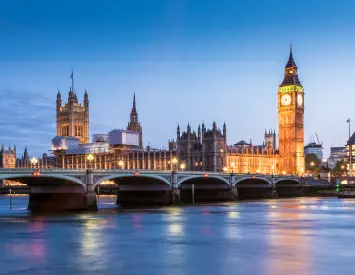
Before a transmission route is re-energised, circuit breakers are opened to isolate faults and clear the path. Operators then close selected breakers in sequence, gradually forming a skeleton network that connects available generation with controlled blocks of demand.
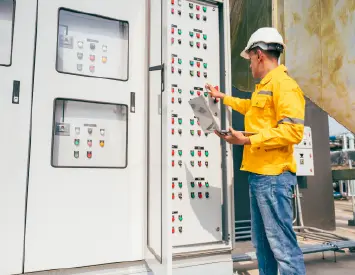
Substations still need local electricity while the main supply is absent. Direct-current batteries and other backup systems keep protection relays, breaker controls and supervisory control and data acquisition (SCADA) equipment working. NESO’s future-network planning calls for transmission substations to have mains-independent backup for at least 72 hours. It also expects substations to be capable of energisation within 24 hours when an energised circuit is available.
Communication Must Survive the Outage
Restoration depends on control rooms, network operators, power stations and field staff sharing accurate information. Public phone and internet services cannot be assumed to remain available during a prolonged blackout.
Dedicated operational telecommunications carry SCADA measurements, protection signals and voice instructions. NESO’s communications work specifies that these services should continue for at least 72 hours without the normal grid electricity supply. Control teams need to see breaker positions, voltage and frequency before confirming each switching action. A wrong assumption could energise damaged equipment or connect two islands that are out of phase.
Where Grid-scale Batteries Fit
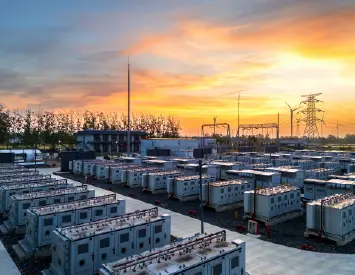
Large battery energy storage systems could speed up restoration because they respond almost instantly and some can start without an external supply. They can support frequency, regulate voltage and help absorb sudden changes as demand returns.
Capability matters. Many inverter-based batteries are designed to follow an existing grid waveform. To energise a dead network, a battery generally needs grid-forming controls that establish the voltage and frequency reference. It must also retain enough stored energy for the task. NESO’s technology assessment identifies batteries as potentially useful fast-start resources, while noting that some technologies need enhanced controls or other upgrades before they can provide restoration services.
Why Customers Return in Stages
Distribution network operators cannot reconnect every home and business at once. Each block of demand produces a step change in power, motors, compressors and heating systems may restart together. If the island lacks enough generation headroom, frequency can fall and the island may collapse.
Operators estimate the demand in each block, add it gradually and bring more generators online. Separate islands are merged only when their voltage, frequency and phase angle are close enough for circuit breakers to close safely. This continues until the skeleton network becomes one interconnected system and normal operation can resume.
The Skills Behind a Safe Restoration
Black start draws on power-system protection, switchgear, rotating machines, power electronics, communications and operational planning. Engineering professionals, technicians and other industry personnel must understand how these systems behave together under conditions rarely encountered in everyday operation.
ECT’s online Bachelor of Engineering (Honours) in Electrical Engineering covers several of these areas, including transformers and switchgear, electricity supply chains, power electronics, protection, renewable energy and communications. Developing that connected view of the grid supports safer decisions whenever power systems are changing, stressed or being brought back into service.
References
Electricity System Restoration Standard, NESO
Introducing a New Electricity System Restoration Standard, UK Government
Technology and Locational Diversity Working Group Report, NESO