

26 November - 26 November, 2026

November 26 at 9:00 am - 10:00 am (United Kingdom Standard Time)
Event Start Time (United Kingdom):
Webinar details
This webinar is part of a series examining real-world engineering challenges, with each session focused on specific technical issues relevant to practicing engineers.
Surge arrester failures are often associated with lightning, but failures can also occur under normal network operating conditions. This webinar examines real-world cases where surge arresters failed without a direct lightning strike and explores the less obvious causes behind these events.
The session will cover overvoltage mechanisms including switching transients, back-feed conditions, insulation coordination errors, and grounding issues. Through practical examples, participants will learn how to interpret failure symptoms, assess protection records, and identify factors that can place unexpected stress on surge arresters.
The webinar is relevant to electrical and power systems engineers, protection engineers, consultants, maintenance professionals, and engineering students involved in power system protection, insulation coordination, or network reliability.
- The webinar will be recorded and will be sent out to registered attendees afterwards.
- A certificate of attendance will be provided to attendees who request one near the end of the live webinar session.
- Please note: the time stated on this event is in UTC. You will need to convert this to your own time zone.
Key takeaways from this webinar:
- Distinguish between lightning-induced surges and internally generated switching over voltages.
- Analyse surge arrester failure modes using field symptoms and protection records.
- Evaluate insulation coordination and arrester rating selection in practical networks.
- Understand the role of grounding, bonding, and lead length in arrester performance.
- Develop diagnostic approaches to prevent repeat failures in similar installations.
Event Details
- Date: Thursday, 26 November 2026
- Time: 9:00 AM – 10:00 AM UTC
- Location: Online Session
Meet the Presenter
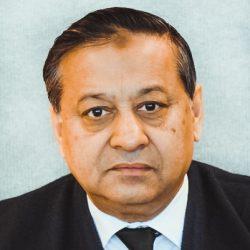
Emeritus Professor Akhtar Kalam
BSc, BScEng, MS, PhD, FIET, CEng, FAIE, FIEAust, CPEng, NER, APEC Engineer, IntPE(Aus), PEV, MCIGRE, Life Senior Member of IEEE.
Professor Akhtar Kalam is a supervisor of EIT’s Doctoral students. He has worked at Victoria University since 1984 and recently associated with the Institute for Sustainable Industries and Liveable Cities. He is the Editor in Chief of Australian Journal of Electrical & Electronics Engineering. Further, he has Distinguished Professorship position in many national and international institutions. He has been recognized internationally and nationally for his research. He is regularly invited to deliver lectures, work on industrial projects, and examine external theses overseas. Professor Kalam is a registered Professional Engineer in the state of Victoria (PEV), Fellow of EA, IET, AIE, a life Senior Member of IEEE, NER, APEC Engineer, IntPE (Aus) and a member of CIGRE AP B5 Study Committee.
Reserve Your Place Today
Places are limited – don’t miss your chance find out more about ECT and ask questions about our courses.
Continue Your Engineering Learning
Enjoyed this webinar? Take the next step in your professional development with ECT. Whether you’re looking to gain a recognised qualification through our online BEng and MSc programmes or build specialist expertise with 3-month Professional Certificates of Competency, we offer flexible learning designed for working engineers and technical professionals.
Explore our Programmes or browse our Professional Certificate Courses to continue advancing your career.
About the Engineering College of Technology (ECT)
ECT is a UK-registered higher education provider affiliated with the Australian-based Engineering Institute of Technology (EIT). We offer industry-relevant engineering qualifications powered by interactive online platforms, remote labs, and expert instructors from around the world. Registered with the Office for Students (OfS) – UKPRN: 10089771 Member of the Quality Assurance Agency for Higher Education (QAA)
Stay in touch
Subscribe to our newsletter for all the latest updates.